


At the office of A Plus Dentistry, the health and growth of your child's smile are treated with thoughtful attention and experienced care. Our team focuses on building strong, healthy habits early so children can enjoy comfortable, confident smiles as they grow. We combine modern preventive strategies with a warm, child-friendly approach so families feel supported at every stage of development.

Children's mouths change quickly in their first years: new teeth erupt, biting patterns shift, and habits form that can last a lifetime. Our philosophy is simple — early, consistent care prevents many common problems and helps kids associate dental visits with positive experiences. By focusing on prevention first, we keep little smiles healthy and make treatments less invasive when they are needed.
During routine pediatric visits we combine clinical assessment with education. We look beyond the immediate task of cleaning and screening for cavities; we talk with parents and children about brushing technique, fluoride use, and how daily choices affect oral health. This collaborative approach empowers families to take small, manageable steps that add up to big results over time.
We also prioritize comfort and trust. A child who feels safe with the dental team is far more likely to cooperate with care, follow home routines, and maintain regular appointments. Our staff uses clear, age-appropriate explanations and gentle techniques to keep visits calm and productive — creating the foundation for a lifetime of good oral habits.
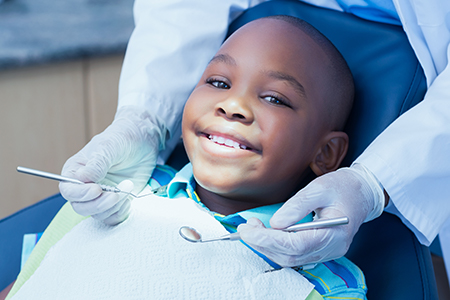
Regular dental checkups let us spot small issues before they become bigger problems. At each visit we review health history, examine teeth and gums, and evaluate jaw growth and bite alignment. Early detection is especially important in children because their mouths are continually developing — catching concerns early can reduce the need for more extensive care later on.
We use digital radiography selectively when it helps us see areas not visible during a clinical exam. These images are an important diagnostic tool for checking for decay between teeth, evaluating the position of developing permanent teeth, and monitoring overall oral health with minimal exposure.
Professional cleanings performed during routine visits remove plaque and tartar from places brushing can miss. They also provide a chance for personalized coaching — we show children and parents how to improve technique and make home care more effective. When everyone understands what to do at home, clinical visits become reinforcement rather than rescue.
Tooth decay remains one of the most frequent pediatric health issues, but it is largely preventable. We emphasize a combination of daily oral hygiene, sensible dietary choices, and in-office measures like topical fluoride and sealants for patients who will benefit. Together, these steps create multiple layers of protection.
Behavioral factors — such as prolonged bottle or sippy-cup use with sugary liquids, frequent snacking on sticky treats, or nighttime bottle habits — increase decay risk. We work with families to identify small, sustainable changes that significantly reduce those risks while preserving a positive mealtime dynamic.
For children at higher risk of cavities, we tailor a prevention plan that may include more frequent monitoring, targeted fluoride applications, and sealants on molars as those teeth come in. These interventions are quick, gentle, and designed to reduce future problems without disrupting a child's routine.
Start early: establish gentle cleaning for infants, and introduce a soft-bristled brush as teeth appear.
Make brushing predictable and positive by pairing it with fun songs or a short timer to help children develop consistency.
Limit sugary drinks and replace frequent sweet snacks with tooth-friendly options like cheese, crunchy vegetables, or water.
Watch for habits that affect dental development — prolonged pacifier use or persistent thumb sucking can influence bite alignment if they continue past early childhood.
Protect active mouths: a properly fitted mouthguard is an essential part of keeping teeth safe during sports and play.

Even before visible teeth appear, the foundations for oral health are already in place. Parents can take simple steps from infancy to reduce decay risk and encourage healthy development — wiping gums after feedings, avoiding long naps with bottles of milk or juice, and scheduling the first dental visit around the first birthday.
As the primary teeth erupt, they help children learn to chew and speak, and they hold space for the permanent teeth that will follow. Because these early teeth are important for nutrition and development, we treat them with the same care and respect given to adult teeth: prevention, timely treatment when needed, and clear guidance for parents.
Teething can be uncomfortable, and parents often ask how to soothe their children safely. We recommend age-appropriate measures such as chilled teething rings, gentle gum massage with a clean finger, and comfort measures at home. If symptoms seem severe or there are concerns about delayed eruption, we invite parents to bring their child in for an assessment.
As children move from toddlerhood into school age and beyond, their oral needs change rapidly. New permanent teeth appear, habits shift, and orthodontic concerns may start to emerge. Regular monitoring during these transitions allows us to offer timely advice — whether that means reinforcing home care, recommending preventive sealants, or discussing early orthodontic options when appropriate.
Children with dental anxiety or special health needs benefit from an individualized approach. We take time to understand each child's temperament and medical background, adapting techniques and appointment structure to make care as comfortable as possible. When additional support is needed, we discuss safe options to help complete treatment effectively.
Back-to-school periods and the start of sports seasons are natural opportunities to schedule a preventive visit. These check-ins help ensure that kids begin new activities with a healthy mouth and, when necessary, an appropriate mouthguard to reduce the chance of dental injuries.
Monitoring facial growth and bite development is an important part of pediatric dental care. Early evaluation can reveal habits or patterns that influence how the jaws and teeth will align as permanent teeth emerge. When interceptive steps are beneficial, we outline clear, evidence-based recommendations and coordinate care with specialists as needed.
Nutrition plays a critical role in oral health. A diet rich in calcium, phosphorus, and other essential nutrients supports strong teeth and healthy gums, while frequent exposure to sugars and acids increases the risk of decay. Practical meal and snack planning — along with good brushing habits — can significantly reduce problems over time.
When restorative treatment is necessary, our focus is on conservative, comfortable care that protects the tooth structure and preserves space for developing teeth. We favor treatments that balance efficiency with a child's emotional needs, so families feel confident about the path forward.
We keep a close eye on how a child's jaw and bite are developing. If we identify concerns that are best managed by a pediatric orthodontist or another specialist, we communicate our findings clearly and facilitate collaborative next steps. Early coordination often simplifies later care and improves long-term outcomes.
Simple shifts — choosing water over sugary drinks, offering crunchy fruits and vegetables, and timing sweets with meals rather than between them — can protect teeth without making mealtime a battle. We provide practical, family-friendly guidance to make healthy choices easier to follow.
In short, pediatric dental care is about prevention, partnership, and personalized attention. Our team blends clinical expertise with a caring approach so kids receive the treatment and education they need to thrive. If you have questions about caring for your child's smile or would like more information about our pediatric services, please contact us to learn how we can help.

Most pediatric dental experts recommend scheduling a child’s first dental visit by their first birthday or within six months of the eruption of the first tooth. This early appointment allows the dentist to check oral development, screen for early signs of decay, and answer common questions about feeding and home care. Establishing a dental home early helps set expectations and makes future visits more comfortable for both child and caregiver.
During this initial visit the team will perform a gentle exam, review the child’s medical and feeding history, and offer hands‑on guidance for brushing and fluoride use. Parents will receive advice tailored to their child’s age and risk factors so preventive steps can be implemented right away. Early engagement creates a positive foundation for lifelong oral health.
Even before teeth appear, infants benefit from regular oral care: gently wipe the gums with a clean, damp cloth after feedings to remove sugars and reduce bacteria. Once teeth begin to erupt, switch to a soft infant toothbrush with a smear of fluoride toothpaste, brushing twice daily to remove plaque and stimulate healthy habits. Consistent, gentle care at home supports healthy eruption and reduces the risk of early childhood caries.
As more teeth come in, supervise brushing and begin introducing flossing when adjacent tooth surfaces touch. Encourage water after feedings and avoid prolonged exposure to sugary liquids at nap time to protect newly erupted enamel. Parents should bring questions to the dentist at routine visits so home care can be adjusted as the child grows.
Cavity prevention combines daily home care, sensible nutrition, and targeted in‑office treatments. Effective routines include twice‑daily brushing with fluoride toothpaste, limiting frequent sugary snacks and drinks, and scheduling regular dental exams for monitoring and early intervention. These layered strategies reduce bacterial activity and protect developing enamel.
Topical fluoride and dental sealants are two common professional measures used to strengthen teeth and prevent decay. Fluoride applications help remineralize enamel for children at increased risk, while sealants provide a protective barrier on the chewing surfaces of primary and permanent molars as they erupt. The dental team will recommend individualized timing and frequency based on your child’s decay risk and dental development.
Teething often causes gum soreness and irritability, but symptoms are usually manageable with simple home measures. Offer chilled (not frozen) teething rings, gently massage the gums with a clean finger, and provide comfort through cuddling and routine changes that soothe the child. Avoid teething products with topical numbing agents intended for adults unless specifically recommended by your dentist or pediatrician.
If a child develops high fever, prolonged distress, or other concerning symptoms, contact your pediatrician or dentist for guidance. The dental team can confirm whether pain relates to teething or another oral issue and suggest safe, age‑appropriate strategies to ease discomfort. Routine dental visits also give parents the chance to discuss eruption timing and any developmental concerns.
A routine pediatric exam typically includes a review of medical history, a visual inspection of teeth and gums, and an assessment of jaw growth and bite relationships. The clinician will check for signs of decay, plaque buildup, and developmental issues that may benefit from early attention. Professional cleanings remove tartar and plaque in areas that are difficult to reach with home care alone.
Exams also include personalized education for parents and children about brushing technique, fluoride use, and dietary choices that support oral health. When appropriate, the dentist will take selective digital radiographs to evaluate areas not visible in a clinical exam and to monitor the development of permanent teeth. Follow‑up intervals are set based on individual risk and growth patterns to ensure timely care.
A calm, patient‑centered approach makes a major difference for children who are anxious or have special health care needs. The team uses age‑appropriate language, stepwise explanations, and gentle techniques to build trust and cooperation during visits. Appointments can be paced to the child’s comfort level and tailored to minimize sensory overload and uncertainty.
For children who require additional support, the dental team discusses behavior management strategies and safe sedation options when necessary to complete care effectively. Families are encouraged to share medical history and behavioral preferences so the office can plan appointments that prioritize safety and a positive experience. Clear communication between caregivers and clinicians ensures individualized, respectful care.
Children who participate in organized sports or active play should wear a properly fitted mouthguard as soon as they begin contact activities. A mouthguard cushions the teeth and soft tissues and can reduce the risk of dental injuries and head‑related trauma. Custom or professionally fitted mouthguards offer the best protection because they are tailored to a child’s current dentition and fit more securely than generic options.
The dental team can evaluate your child’s sport participation and recommend the most appropriate mouthguard style, as well as provide guidance on care and replacement intervals. Proper storage and regular inspection for wear ensure the device remains effective as the mouth grows. Scheduling a fitting before the season starts gives families peace of mind and helps prevent avoidable dental emergencies.
Habits such as prolonged pacifier use, thumb sucking, and frequent nighttime bottle feeding can influence bite alignment and tooth position if they persist beyond early childhood. Early identification allows the dental team and caregivers to implement gentle interventions that reduce the habit’s impact while supporting emotional needs. Positive reinforcement, habit‑limiting strategies, and transition techniques often help children stop these behaviors naturally.
When a habit continues and begins to alter dental development, the dentist may recommend tailored approaches or refer to a pediatric orthodontist for evaluation. Interceptive measures are most effective when started before permanent teeth fully erupt, so regular monitoring during routine visits is important. The goal is to protect future orthodontic outcomes while keeping the child comfortable and supported.
Monitoring facial growth and dental development is an integral part of pediatric dental care, enabling early detection of jaw discrepancies, crowding, or bite problems. During exams the team evaluates tooth eruption patterns, arch development, and jaw relationships to identify trends that may warrant intervention. Early assessment does not always lead to immediate treatment but informs timing and planning for optimal outcomes.
If interceptive steps or specialist care would benefit the child, the dentist will explain the findings clearly and coordinate referrals to a pediatric orthodontist when appropriate. Early collaboration between providers can simplify later treatment and improve long‑term stability. Families receive evidence‑based recommendations so they can make informed decisions about monitoring versus active intervention.
When treatment is necessary, pediatric restorative care aims to conserve healthy tooth structure while restoring function and preventing future problems. Common approaches include tooth‑colored restorations, stainless steel crowns for heavily damaged primary teeth, and minimally invasive treatments that prioritize the child’s comfort. The dental team will explain the recommended options and the clinical reasons behind them in clear, age‑appropriate terms.
For children who require extra help tolerating procedures, safe behavior management techniques and sedation options are available and discussed thoroughly with caregivers. The office follows established protocols to ensure procedures are performed safely and with the child’s emotional needs in mind. Parents are guided through pre‑ and post‑procedure instructions so recovery and long‑term care proceed smoothly at home.
Quick Links