


At the office of A Plus Dentistry, we take a practical, prevention-first approach to keeping mouths healthy and smiles confident. Routine oral exams are the cornerstone of that approach: they allow our team to spot early changes, address developing concerns before they become larger problems, and tailor care to each patient’s needs. During an exam we combine careful clinical observation, patient history, and targeted diagnostic tools to build a clear picture of oral health and long-term risk.
Your initial exam begins with a conversation. We review medical and dental histories, medications, symptoms, and any specific concerns you want to address. This background helps our clinicians interpret findings and identify risk factors that influence treatment decisions—everything from certain medications and health conditions to sleep, diet, and habits like clenching or tobacco use.
Next comes the clinical evaluation. We inspect teeth, gums, tongue, and other oral tissues and evaluate bite alignment and jaw function. A thorough periodontal screening checks for signs of gum disease, while a soft-tissue assessment looks for any irregularities that deserve monitoring or further testing. When indicated, we include an oral cancer screening as part of the standard exam.
Diagnostic images may be recommended to view structures beneath the surface. These targeted films or digital radiographs reveal decay between teeth, assess bone level, and help detect hidden issues that a visual exam alone cannot show. After compiling the exam findings, our team will explain what we observed, answer your questions, and outline the most appropriate next steps for maintaining or restoring oral health.
We aim to make the exam collaborative and informative. Patients leave with a clear understanding of their oral status, practical homecare recommendations, and a plan that prioritizes prevention and conservative care whenever possible.
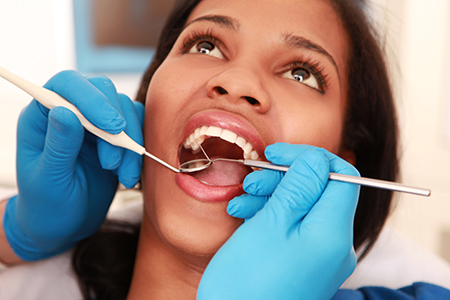
Oral health doesn’t exist in isolation. The tissues in the mouth can reflect—and sometimes influence—systemic health. Chronic inflammation from untreated gum disease, for example, is associated with changes in the body that may affect cardiovascular health and metabolic control. Being attentive to the mouth is therefore a meaningful part of overall health maintenance.
During an oral exam we pay close attention to signs that could point to broader health concerns. Persistent dry mouth, unexplained gum bleeding, non-healing sores, or sudden changes in taste and breath odor can all be clues that warrant further evaluation or coordination with your medical provider.
Researchers continue to explore the pathways linking oral conditions to systemic disease. While complex, the evidence underscores a clear practical point: regular dental assessments help identify early warning signs and reduce the likelihood that oral problems will contribute to greater health issues down the line.
It’s also important to recognize that systemic illnesses and medications can produce oral symptoms. That reciprocal relationship is one reason we document your medical history carefully and communicate with other healthcare providers when a coordinated approach benefits the patient.
Routine checkups and professional cleanings are preventive care in action. Even with excellent home hygiene, plaque can accumulate in hard-to-reach areas; if it mineralizes into tartar, only a trained clinician can remove it safely. Regular cleaning reduces bacterial load, lowers inflammation, and helps prevent cavities and gum disease from getting a foothold.
We typically recommend periodic visits so we can monitor changes in your mouth over time. These appointments allow us to compare findings, track the progression of any conditions, and intervene early when treatment is advisable. Early, conservative treatment often preserves more tooth structure and reduces the need for complex procedures later on.
Checkups are also an opportunity for hands-on education. Our hygienists provide personalized guidance on brushing, flossing, and other hygiene habits—techniques that make daily care more effective. For parents, routine visits help establish healthy behaviors in children and allow us to watch dental and jaw development as kids grow.
Our focus is on practical, evidence-based prevention that fits each patient’s lifestyle. When additional services or specialist referrals are necessary, we explain options clearly and help coordinate next steps so care stays streamlined and patient-centered.

Many oral conditions begin out of sight—between teeth, beneath restorations, or in the bone supporting teeth. Dental x-rays provide the deeper view clinicians need to detect cavities, bone loss, impacted teeth, and other conditions that a visual exam cannot reveal. Interpreting these images alongside the clinical exam gives a more complete diagnosis and safer treatment planning.
Modern imaging has advanced considerably. Digital radiography delivers high-quality images with much lower radiation exposure than older film techniques. Images are viewable immediately, can be enhanced on-screen for clearer interpretation, and are stored electronically so they remain part of your permanent record.
Beyond patient safety and convenience, digital images aid communication. They can be shared securely with specialists or used to show patients what we see, making explanations more transparent and treatment decisions easier to understand.
We recommend only the images necessary for accurate diagnosis and care. Our team follows established guidelines to balance the clinical benefit of imaging with the principle of minimizing exposure whenever possible.
Different diagnostic images serve different purposes. Small periapical films focus on an individual tooth and its root; bitewings are ideal for detecting decay between back teeth; and a full-mouth series gives a comprehensive picture for thorough baseline assessment. Each plays a role when evaluating a patient’s unique needs.
A panoramic film (panorex) provides a broad two-dimensional view of the jaws, teeth, and adjacent structures. It’s useful for visualizing wisdom teeth, surveying eruption patterns, and assessing overall bone contours. Cephalometric images, when needed, add a profile view that helps with orthodontic planning and facial growth assessment.
For complex cases, three-dimensional imaging with cone-beam computed tomography (CBCT) can be invaluable. CBCT scans create detailed 3D reconstructions of the jaws and surrounding anatomy, aiding precise diagnosis and surgical planning—commonly used when evaluating implant placement, complicated root anatomy, or pathology.
We choose imaging based on diagnostic need and aim to use the least invasive option that still provides the clarity required for safe, effective care. Combining targeted imaging with a comprehensive clinical exam ensures treatment plans are accurate and individualized.
In summary, a thoughtful oral exam combines careful observation, patient history, and appropriate imaging to protect and preserve oral health. Regular exams and cleanings help catch problems early, inform better treatment choices, and support overall wellness. If you have questions about what an oral exam includes or would like to learn more about our preventive care approach, please contact us for more information.
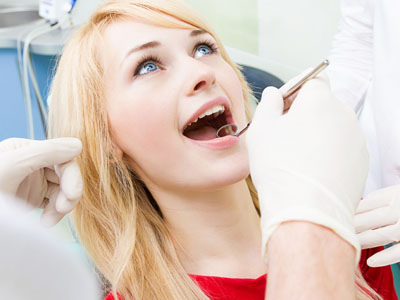
During an oral exam we begin with a focused conversation about your medical and dental history, current symptoms, medications, and any concerns you want addressed. The clinical portion includes inspection of the teeth, gums, tongue, cheeks, and other oral tissues, plus an assessment of bite alignment and jaw function. When indicated, the exam also incorporates periodontal screening and soft-tissue evaluation to identify areas that need monitoring or further testing.
Diagnostic imaging may be recommended to reveal issues that are not visible to the eye, such as decay between teeth or changes in bone level. After the exam we explain findings in clear, understandable terms and outline recommended next steps that prioritize prevention and conservative care. The goal is to leave you informed about your oral health and confident in the plan moving forward.
To prepare for your first oral exam bring a list of current medications, any recent medical diagnoses, and a summary of dental concerns or symptoms you have noticed. If you have prior dental records or x-rays from another provider, bringing them can help the clinician make a more informed assessment and avoid unnecessary repeat imaging. Arrive ready to discuss habits such as tobacco use, clenching, diet, and sleep patterns, since these factors can influence diagnosis and treatment recommendations.
If you experience dental anxiety, let the team know ahead of time so they can explain comfort options and what to expect during the visit. Good oral hygiene before the appointment is helpful, but do not worry if you are unable to brush immediately prior to arrival. The exam is collaborative and intended to build a baseline for tailored preventive care.
For most healthy adults we generally recommend an oral exam and professional cleaning every six months to catch early changes and maintain healthy tissues. Patients with a history of gum disease, frequent cavities, or certain medical conditions such as diabetes may need more frequent monitoring, often every three to four months, so clinicians can intervene promptly when necessary. Your clinician will tailor the recall interval based on your individual risk factors and the findings of each examination.
Consistent checkups allow the dental team to compare exam findings over time and detect subtle trends before they become advanced problems. Regular visits also create opportunities for personalized instruction on homecare techniques and reinforcement of preventive measures. If you are a new patient, the team at A Plus Dentistry will review your history and make a specific recommendation that matches your needs.
Yes, oral exams are an important component of oral cancer detection because they include a thorough soft-tissue assessment of the lips, tongue, floor of mouth, and other oral tissues for any irregularities. Clinicians look for non-healing sores, persistent lumps, color changes, and other signs that warrant closer evaluation or biopsy. When risk factors such as tobacco or heavy alcohol use are present, clinicians are especially vigilant and may recommend more frequent screenings.
Some practices use adjunctive technologies like VELscope® or other light-based tools to aid visualization of suspicious tissue, but a careful clinical exam and medical history remain central to detection. Any concerning finding is followed up with a clear plan for monitoring, diagnostic testing, or referral to a specialist when appropriate. Early detection significantly improves outcomes, which is why routine exams are so important.
Dental x-rays complement the visual and clinical exam by revealing structures beneath the surface, such as decay between teeth, the condition of bone that supports teeth, root anatomy, and impacted or developing teeth. Digital radiography produces high-quality images quickly with lower radiation exposure than traditional film and allows clinicians to enhance and store images for comparison over time. We follow evidence-based guidelines to recommend only the images necessary for accurate diagnosis and safe treatment planning.
Imaging choices are tailored to the diagnostic question: bitewings for interproximal decay, periapicals for individual tooth and root evaluation, and panoramic or CBCT scans for broader assessment of jaw structure and complex cases. Combining these images with the clinical exam produces a more complete picture and helps prevent surprises during treatment. Images can also be shared with specialists to streamline coordinated care when referrals are needed.
Oral health and systemic health are closely connected; signs in the mouth can reflect conditions elsewhere in the body and, conversely, oral disease can influence systemic processes. Chronic inflammation from untreated gum disease has been linked to changes that may affect cardiovascular health and metabolic control, so identifying and managing oral inflammation is part of comprehensive health maintenance. During exams we pay attention to symptoms like dry mouth, unexplained bleeding, or changes in taste and breath that could signal broader health concerns.
Because many medications and systemic illnesses produce oral symptoms, we document your medical history carefully and communicate with medical providers when coordination of care benefits the patient. The dental exam can therefore serve as an early warning system and a partner in managing overall wellness. Regular dental assessments help reduce the likelihood that oral problems will contribute to more significant health issues down the line.
Yes, periodontal screening is a routine part of a comprehensive oral exam and includes measuring pocket depths, assessing gum tissue health, and checking for bleeding and attachment loss. These measurements help determine whether gum inflammation is present and, if so, whether it is gingivitis or has progressed to periodontitis requiring more advanced care. Early detection allows for conservative treatment options focused on reducing bacterial load and restoring tissue health.
Hygienists and clinicians also provide targeted homecare recommendations to help control plaque and inflammation between visits, and they schedule follow-up monitoring to assess the response to initial therapy. For patients with risk factors such as smoking or systemic disease, the team may recommend more frequent periodontal maintenance to preserve long-term oral health. When specialist care is appropriate, the practice will coordinate referrals and explain the rationale clearly.
After your oral exam you should receive a summary of findings, an explanation of any recommended preventive steps or treatments, and practical homecare guidance to support oral health. The team will outline the next steps, whether that means routine recall, additional imaging, periodontal care, or referral to a specialist, and they will answer questions so you understand why each recommendation was made. Records of the exam and any images are stored for future comparisons to track changes over time.
If treatment is indicated, the clinician will discuss the sequence of care and how each step supports a conservative approach to preserve tooth structure and tissue health. We emphasize clear communication and patient education so you can make informed decisions about your care. If you need further clarification after leaving the office, the staff at A Plus Dentistry can provide follow-up information and support.
Children and teens benefit from age-appropriate oral exams that monitor dental development, eruption patterns, and oral hygiene habits while screening for decay and early orthodontic concerns. Examinations for younger patients place special emphasis on preventive measures like fluoride, sealants, and behavior coaching to establish healthy routines and reduce future risk. For adolescents, exams also evaluate bite development and may prompt discussion of orthodontic options when indicated.
Regular exams during growth years allow clinicians to detect developmental issues early and to intervene conservatively when possible, which often reduces the need for more invasive procedures later. The team provides guidance tailored to parents and young patients to support effective homecare and positive attitudes toward dental visits. Scheduling frequency is determined by individual risk, developmental stage, and any special needs the child may have.
Imaging decisions are driven by the clinical question at hand and the need to obtain sufficient diagnostic information with the least invasive approach. Clinicians consider factors such as symptoms, history, clinical findings, and the planned treatment when selecting between bitewings, periapicals, panoramic films, cephalometric images, or three-dimensional CBCT scans. The goal is to provide clear, actionable images that improve diagnostic accuracy and treatment safety while minimizing exposure.
When advanced imaging like CBCT is recommended, it is reserved for complex cases where 3D detail materially affects surgical planning or diagnosis, such as implant placement or evaluation of unusual anatomy. The practice follows established guidelines and discusses the rationale for any imaging with the patient so expectations are clear. This tailored approach ensures imaging supports precise, individualized care without unnecessary procedures.
Quick Links