Invisalign® offers a discreet, tooth-straightening option that fits modern lifestyles. Instead of brackets and wires, a series of custom clear aligners applies gentle, calculated pressure to guide teeth into improved positions. For many people, that combination of effectiveness and subtlety makes aligners an attractive choice for correcting mild to moderate alignment issues.
Because the system is driven by digital planning and precision manufacturing, treatment can be both predictable and comfortable. The clear trays are removable for short periods, which helps preserve everyday habits like eating and oral hygiene while the smile changes over time.
Invisalign® for Teens

Invisalign® for Brides

Invisalign® for Travelers
Before & After Photos
Invisalign® Videos
FAQs
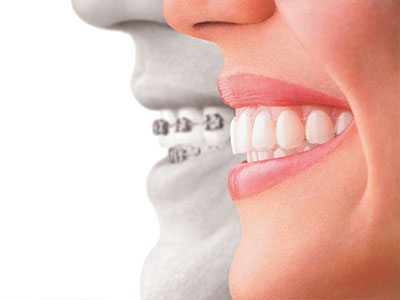
Invisalign® vs Braces
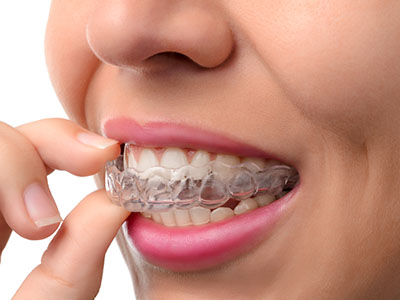
Invisalign® vs Direct-To-Consumer Aligners
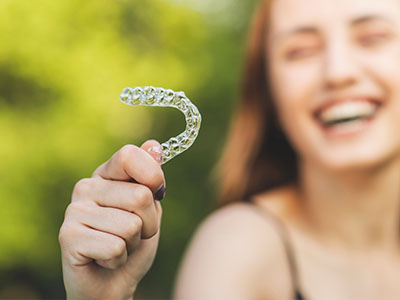
Is Invisalign® Right For Me?

Invisalign® Costs
Clear aligner therapy is engineered to address a wide range of alignment concerns, including crowding, gaps, and certain bite irregularities. Unlike fixed appliances, aligners distribute corrective forces over the full surface of a tooth, which can reduce friction and often improve comfort as movements are made incrementally.
This approach also supports a more predictable workflow: clinicians plan the entire sequence of movements up front using three-dimensional scans, then fabricate a set of aligners that translate that plan into daily progress. The ability to visualize the treatment trajectory helps clinicians manage outcomes and communicate expectations to patients clearly.
Modern clear aligner systems rely on high-resolution intraoral scans and advanced software to create a virtual model of a patient's mouth. Clinicians use that model to simulate tooth movements, identify potential obstacles, and sequence the aligners to achieve the desired result. This planning phase is the foundation for consistent, measurable progress throughout treatment.
Each aligner is manufactured to tight tolerances so it engages the teeth in the planned orientation. Small design features — like attachments or pressure points — can be incorporated when needed to facilitate rotations, extrusions, or other targeted movements. The alignment sequence is realized through a series of progressively adjusted trays, each worn for a prescribed interval.
Because the technology captures and records the planned movements, clinicians can monitor treatment closely and make informed adjustments when necessary. That level of oversight enhances predictability and helps manage expectations about the pace of improvement.
Treatment begins with a diagnostic visit that usually includes a full oral exam, digital scans or impressions, and a discussion of objectives. Using those records, your clinician maps out a tailored plan that addresses alignment and bite considerations while respecting your timelines and priorities.
Once the plan is finalized, a set of aligners is fabricated to carry out the sequence of tooth movements. Patients typically change to a new aligner every one to two weeks, depending on the clinician’s instructions. Each tray performs a small but deliberate step toward the final alignment, which gradually repositions the teeth into their intended locations.
Follow-up visits are scheduled at intervals to review progress, address concerns, and provide the next sets of aligners. If refinements are required near the end of treatment, additional aligners can be planned to fine-tune the outcome. The overall goal is to combine clinical control with a straightforward, manageable patient experience.
Aligners are designed to be worn for most of the day — typically 20 to 22 hours — and removed only for eating, brushing, and flossing. Because they are removable, patients maintain normal dietary choices and can clean their teeth thoroughly between meals, which helps reduce the risk of decay during treatment.
Cleaning aligners is simple: rinse them regularly and brush them gently with a soft toothbrush. Avoid exposing trays to hot water or harsh chemicals that could warp the material. Proper care helps maintain fit and clarity so the aligners function as planned from one stage to the next.
Comfort during wear improves as patients adapt to the trays. Mild soreness or pressure is normal when starting a new aligner and usually resolves within a day or two. If the fit ever feels problematic or if there are persistent concerns, an appointment with the clinical team helps identify and address the issue promptly.
After active alignment is complete, retention is the standard next step to stabilize the teeth in their new positions. Retainers — whether removable or fixed — are prescribed based on the specifics of the finished case and help prevent unwanted relapse as the mouth adjusts to the new alignment.
Long-term stability also depends on consistent oral hygiene and regular dental checkups. Because aligner therapy removes many of the aesthetic and hygiene barriers associated with traditional braces, patients often find it easier to maintain a routine that supports both alignment and overall oral health.
Clinicians provide guidance on how frequently to wear a retainer and how to care for it. Periodic checkups allow the team to assess long-term changes and intervene early if small shifts begin to appear. With sensible maintenance, most patients enjoy sustained benefits from their alignment treatment.
Remember, a thoughtful plan and ongoing care go hand in hand: digital precision and clinical oversight help create the result, while retention and good oral habits keep your smile stable for years to come.

At your first visit, we collect detailed scans and examine bite relationships so the treatment can be planned with clarity. This step ensures the aligner sequence is based on accurate, current information about your teeth and jaw.
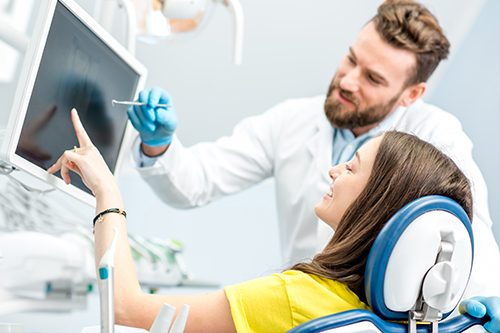
Using 3-D models, we can show the intended progression of tooth movement. This preview helps patients understand the sequence of changes and sets realistic milestones for treatment.
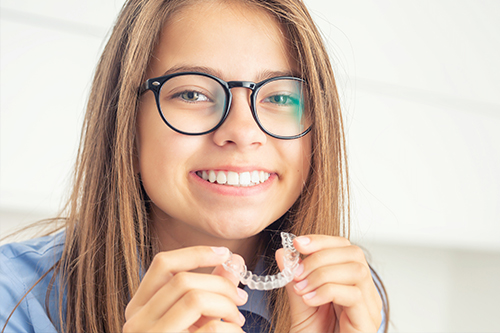
Each tray is produced to match the planned movements, fitting snugly to guide teeth. The materials and contours are chosen to blend comfort with effective control of tooth position.

Throughout treatment, clinical check-ins confirm progress and ensure comfort. When your alignment goals are met, we discuss retention strategies to protect your investment in a healthier, more confident smile.
Browse these videos to see demonstrations of aligner fit, wear, and general patient experiences in real clinical settings.
*Invisalign® is a registered trademark of Align Technology, Inc.
At A Plus Dentistry, we combine modern aligner technology with careful clinical oversight to help patients achieve reliable alignment goals. If you’re curious about whether Invisalign® could address your smile concerns, our team can review your situation and explain the steps involved.
Contact us to learn more or to schedule a consultation. We’re happy to discuss how clear aligners might fit into your overall dental care plan and to answer any questions you have about the process.
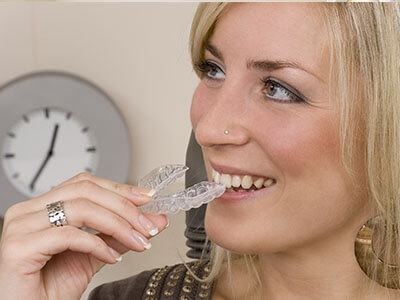
Invisalign® is a clear aligner system that straightens teeth using a series of custom-made, removable trays. Each aligner applies gentle, controlled pressure to specific teeth so movements occur incrementally and predictably. The trays are nearly invisible when worn, making them a discreet alternative to traditional fixed braces.
Treatment is driven by digital planning and three-dimensional scans that allow clinicians to map a complete sequence of tooth movements. Small design features such as attachments or pressure points can be included to help with rotations or extrusions. Regular clinical oversight ensures the planned sequence translates into measurable progress throughout treatment.
Good candidates for Invisalign® typically include teens and adults with mild to moderate crowding, spacing, or certain bite irregularities. Patients who maintain consistent aligner wear and good oral hygiene usually see the best results because aligners must be worn most of the day to be effective. Clear aligners are also attractive to people who want a less noticeable option than traditional braces.
Severe skeletal discrepancies, very large bite corrections, or complex tooth movements may require other orthodontic approaches or a multidisciplinary plan. A thorough clinical exam and digital records help determine whether aligners alone will achieve the desired outcome. Your clinician will explain alternatives and recommend the safest, most predictable route for your specific needs.
Treatment begins with a diagnostic visit that usually includes a full oral exam, digital scans or impressions, and a discussion of goals. Those records are used to create a virtual treatment plan that visualizes each step of tooth movement and estimates the sequence of aligners needed. Once the plan is approved, a series of precision-manufactured aligners is produced to carry out the planned progression.
Patients typically change to a new aligner every one to two weeks and attend periodic follow-up visits so the clinician can confirm progress and make adjustments if necessary. If refinements are required near the end of treatment, additional aligners can be planned to fine-tune results. When active alignment is complete, retention strategies are implemented to maintain the new tooth positions long term.
Treatment times vary based on the complexity of the case and the degree of correction needed, but many patients complete active alignment within several months to about a year or more. Simple cases such as mild spacing or minor adjustments generally require less time, while more complex movements take longer to achieve safely. Patient compliance with daily wear recommendations is a major factor in keeping the timeline on track.
Other factors that influence duration include the need for attachments, the number of stages in the planned sequence, and whether refinements are necessary. Regular progress reviews allow the clinician to identify any slow points and respond with modifications or additional aligners. A personalized estimate based on diagnostic records gives the most reliable expectation for an individual patient.
Aligners should be worn about 20 to 22 hours per day and removed for eating, drinking anything other than water, and for brushing and flossing. Before reinserting aligners, brush and floss to remove plaque and food particles so the trays fit clearly against teeth and do not trap bacteria. Keeping a small, ventilated case for trays helps prevent loss and reduces exposure to contaminants when they are out of the mouth.
Cleaning aligners is simple: rinse them under cool or lukewarm water and gently brush them with a soft toothbrush; avoid hot water and harsh chemicals that can warp or discolor the material. Your clinician may recommend specific cleaning products formulated for clear trays if extra stain resistance is needed. Maintaining regular dental checkups and professional cleanings throughout treatment supports both oral health and successful alignment outcomes.
Most patients experience mild pressure or soreness for a day or two after switching to a new aligner as teeth begin to move, and this sensation typically subsides quickly. The gradual, staged nature of aligner movements often reduces the intensity of discomfort compared with some traditional orthodontic adjustments. Over-the-counter pain relievers and soft foods can help manage brief episodes of tenderness during the first days with a new tray.
If an aligner feels persistently sore, ill-fitting, or causes irritation to soft tissues, contact the clinical team so they can evaluate the fit and provide solutions. Small adjustments to the tray, the addition or removal of attachments, or an intermediate aligner can often resolve fit issues. Prompt communication with your provider helps prevent minor problems from delaying progress.
Clinicians monitor progress through scheduled follow-up visits, digital photographs, and occasional scans to confirm that teeth are tracking with the planned movements. Those records let the team compare actual results to the virtual treatment plan and determine whether the sequence is proceeding as expected. When discrepancies appear, the clinician can recommend refinements or additional aligners to correct course.
Because the original plan is documented digitally, adjustments are made with a clear view of what movements are incomplete or require modification. Attachment placement, trimming, or small restorative changes can be used to improve aligner engagement when needed. Ongoing oversight helps maintain predictability and gives patients a clear path to their treatment goals.
Invisalign® can address a range of bite concerns in addition to straightening teeth, including certain cases of overbite, underbite, crossbite, and open bite. The system uses planned tooth movements and strategic attachments to alter how teeth come together, which can improve chewing function and jaw relationships in many patients. Success depends on the nature and severity of the bite issue and how well the planned movements align with functional goals.
Severe skeletal discrepancies or complex jaw alignment problems may require a combined approach involving orthodontics and surgical or restorative interventions. A comprehensive evaluation identifies whether aligners alone are appropriate or if adjunctive treatments are needed to achieve stable, functional results. Your clinician will recommend the most clinically sound strategy for correcting both appearance and bite function.
After active alignment is complete, retention is essential to stabilize the teeth and prevent relapse as soft tissues and bone adapt to the new positions. Retainers may be removable or fixed, and the recommended wear schedule depends on the specifics of the finished case and the clinician's assessment. Wearing retainers as instructed preserves the investment of treatment and helps teeth remain in their intended positions over time.
Long-term stability also relies on continued good oral hygiene and routine dental checkups so small changes can be detected early. Periodic evaluations allow the team to confirm retainer fit and address any minor shifts that arise. With sensible retention and maintenance, most patients enjoy durable benefits from their alignment therapy.
Deciding whether Invisalign® is right for you starts with a consultation that reviews your oral health, alignment concerns, and lifestyle priorities. Because the system is removable and discreet, it suits patients who want minimal impact on daily activities and easier hygiene compared with fixed appliances. Your clinician will discuss expected outcomes, treatment length, and any limitations based on your specific dental anatomy.
At A Plus Dentistry our team uses digital records and a collaborative review process to help patients make an informed choice about aligner therapy. If aligners are appropriate, we will outline the recommended plan and next steps so you understand how treatment will progress. When aligners are not the optimal solution, we will explain alternative approaches that better address the clinical needs.
Quick Links