


When decay or a small fracture affects a tooth, a contemporary composite filling can restore both strength and appearance without drawing attention. Composites are made from a resin-based material that can be matched closely to your natural tooth shade, allowing the repair to blend seamlessly with the surrounding enamel. For many patients, this makes composite restorations the preferred choice for visible areas of the mouth.
Beyond aesthetics, composite materials are versatile: they can be used to rebuild edges, fill grooves, and repair moderate structural damage while preserving as much healthy tooth as possible. Because the material bonds directly to the remaining tooth structure, it helps stabilize the tooth and can reduce the need for more invasive treatments down the line.
This type of restoration is widely used across general and cosmetic dentistry because it balances durability, appearance, and conservative preparation. The goal is to restore normal chewing function and protect the tooth from further decay while keeping the finished result looking natural.
Composite fillings are often called “tooth-colored” for good reason: they can be custom-shaded to match adjacent teeth, making repairs virtually invisible. Unlike traditional metal restorations, composite resins are free of metals such as amalgam, which makes them a popular choice for patients who want a more natural appearance.
Another key advantage is the conservative nature of the technique. Because composite bonds to enamel and dentin, less healthy tooth structure typically needs to be removed during preparation. Preserving more of the natural tooth helps maintain strength and reduces the likelihood of future complications related to weakened structure.
Composites also provide an effective seal when placed correctly, helping to block bacteria from re-entering treated areas. For routine cavities and many cosmetic repairs, their combination of aesthetics and function makes them an excellent option for long-term oral health.
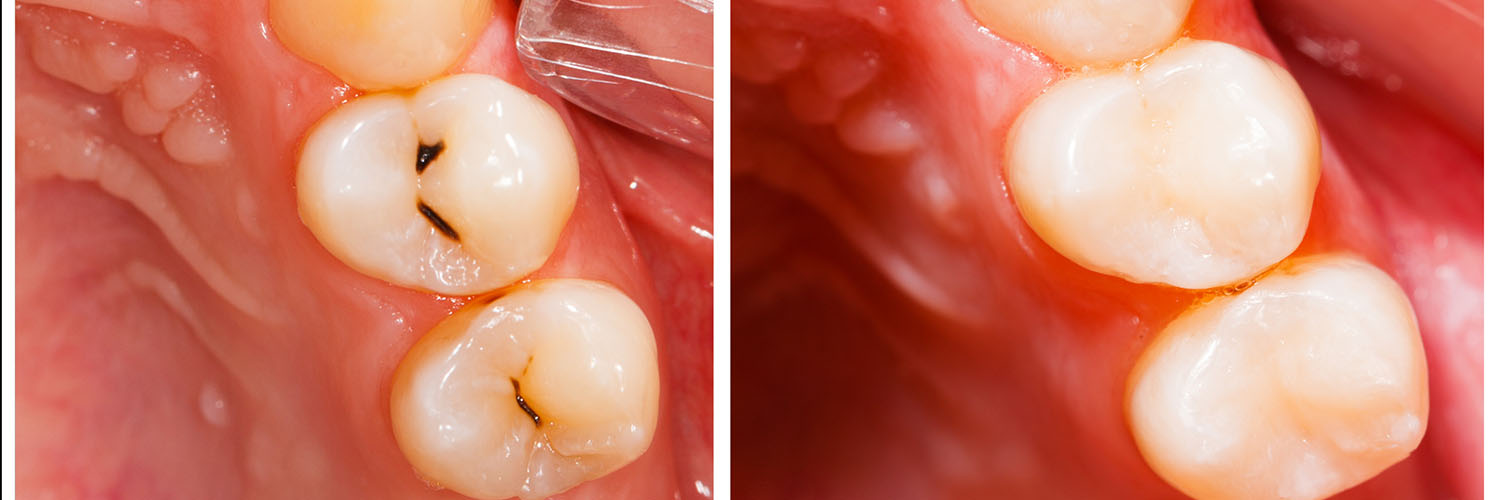
Most composite fillings are completed in a single visit. The process typically begins with a careful exam and, when necessary, local anesthesia to keep you comfortable while the dentist removes the decayed or damaged enamel. Once the area is clean and dry, the tooth is prepared to receive the bonding material.
The composite resin is applied in thin layers, with each layer being shaped and then cured with a special light. This incremental approach allows the clinician to recreate the tooth’s natural contours and adjust the bite precisely. Final shaping and polishing produce a smooth surface that feels natural against the tongue and opposing teeth.
Patient comfort is an important part of the process. For those who experience dental anxiety or require additional support, sedation dentistry options are available to make treatment easier to tolerate. At A Plus Dentistry, we prioritize clear explanations and gentle care so patients understand each step before we begin.
It’s common to feel temporary numbness after a filling appointment while the local anesthetic wears off; avoid chewing on the treated side until sensation returns. You may notice mild sensitivity to hot, cold, or pressure for a few days—this usually subsides as the tooth settles. If sensitivity persists or you develop pain when biting, schedule an evaluation so any necessary adjustments can be made.
Keeping the restoration healthy over time is largely a matter of good daily care. Regular brushing with fluoride toothpaste, daily flossing, and routine dental checkups help prevent new decay around the filling and allow your dental team to spot wear or issues early. Night guards or bite adjustments may be recommended if grinding or an uneven bite threatens the longevity of the restoration.
With responsible oral hygiene and periodic professional oversight, composite fillings can serve reliably for many years. Your dentist will discuss appropriate follow-up intervals and any signs that warrant earlier attention.
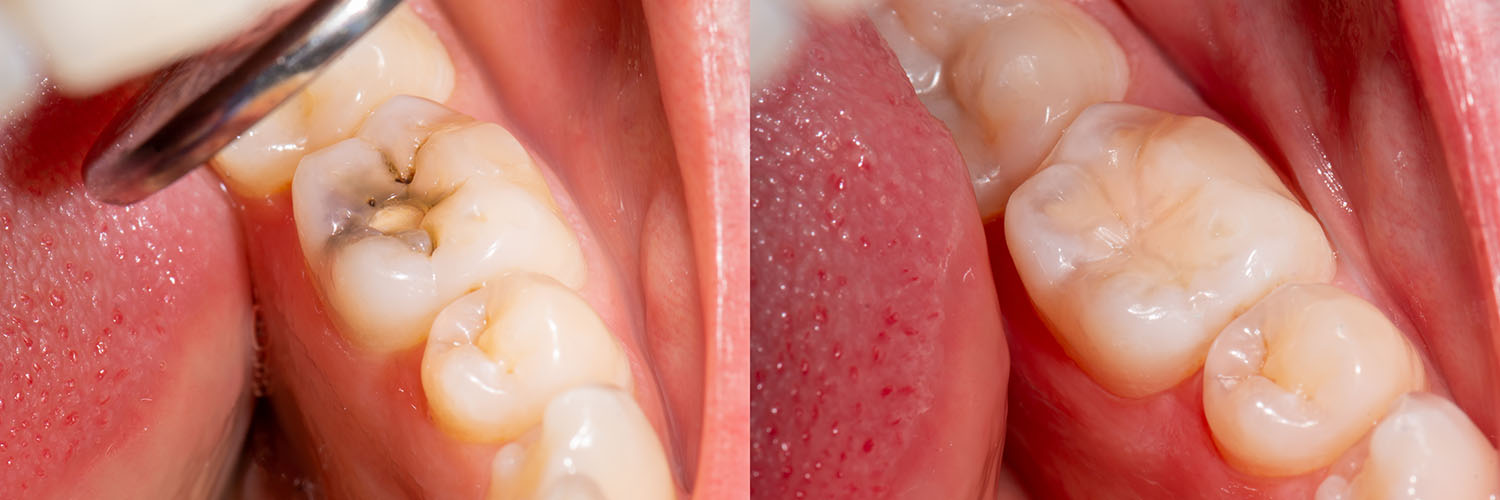
Our aim is to restore teeth in a way that feels natural, preserves function, and supports lasting oral health through careful technique and personalized care.
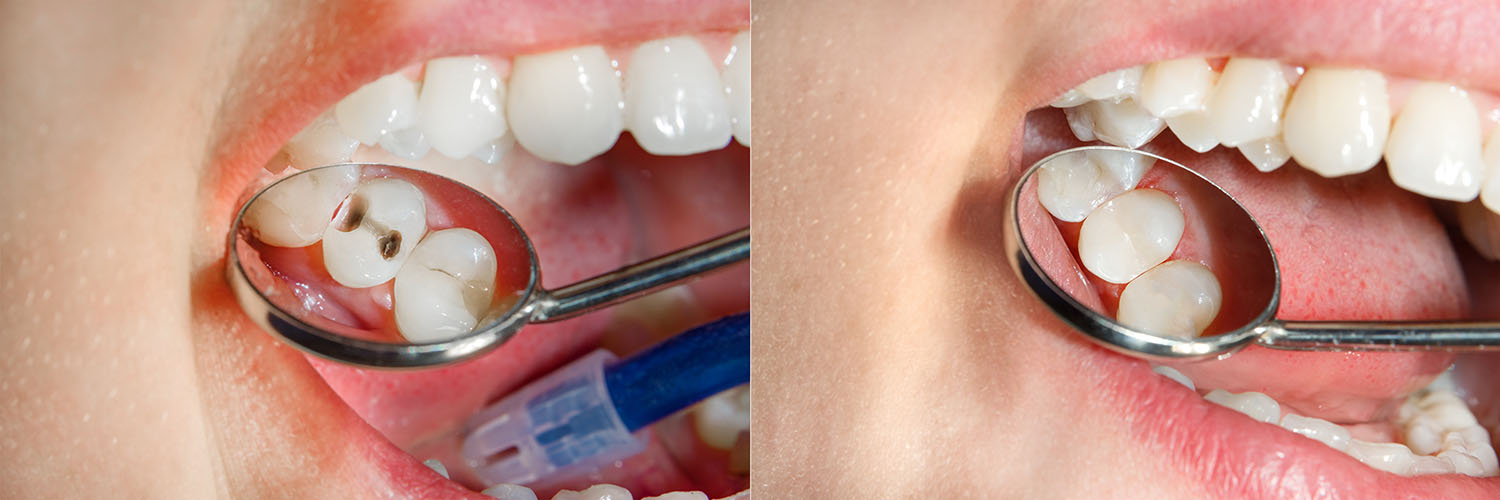
Not every problem can be resolved with a simple filling. When decay is extensive or a tooth’s structure is significantly compromised, alternative restorations such as inlays, onlays, or crowns may be more appropriate. These solutions provide greater coverage and strength for teeth that need more substantial reconstruction.
If decay reaches the inner pulp of the tooth or if there is persistent pain or infection, more advanced treatment—such as endodontic therapy—might be necessary to preserve the tooth. Your dentist will evaluate the extent of damage and recommend the treatment that best balances durability, function, and conservation of natural tooth structure.
Decisions about when to replace an old filling, upgrade a restoration, or move to a different treatment option are based on clinical findings and a discussion of your long-term oral health goals. Your dental team will outline the advantages and limitations of each path so you can make an informed choice.
In summary, modern composite fillings offer a discreet, conservative way to repair cavities and small fractures while maintaining a natural look and reliable function. If you’d like to learn more about how these restorations could help your smile, please contact A Plus Dentistry for more information.

Composite tooth-colored fillings are made from a resin-based material that can be closely matched to your natural tooth shade, allowing restorations to blend in with surrounding enamel. Unlike traditional metal fillings, composites bond directly to the tooth structure and require less removal of healthy enamel during preparation. This bonding can help stabilize the tooth and creates a more conservative restoration overall.
Composites are versatile and can be used to rebuild edges, fill grooves, and repair moderate structural damage while maintaining a natural appearance. Metal fillings, such as amalgam, are more visible and typically require more extensive preparation to seat the material. Your dentist will weigh aesthetic goals, conservation of tooth structure, and functional needs when recommending the best option.
A filling is generally recommended when decay or a small fracture affects a limited portion of the tooth and there is enough healthy structure remaining to support a direct restoration. Fillings are ideal for routine cavities and minor chips where the goal is to restore normal chewing function and seal the tooth against further decay. When a cavity is too large or the tooth is significantly weakened, other restorations may be more appropriate.
If a tooth requires greater coverage to restore strength or shape, alternatives such as inlays, onlays, or crowns offer more extensive protection. Endodontic therapy may be necessary if decay reaches the tooth pulp or if infection is present. Your dentist will evaluate the extent of damage and discuss treatment paths that best preserve oral health and function.
The process typically begins with a careful exam and, when indicated, local anesthesia to ensure comfort while the dentist removes decayed or damaged enamel. After cleaning and preparing the tooth, the composite resin is placed in thin layers, each one shaped and cured with a special light to build the restoration incrementally. Final shaping and polishing recreate natural contours and allow the dentist to adjust your bite for comfort.
Most composite fillings are completed in a single visit and the appointment length depends on the size and location of the repair. Patient comfort and clear communication are emphasized throughout the procedure, and sedation options are available for those with anxiety. At A Plus Dentistry, we focus on gentle technique and thorough explanations so patients know what to expect at each step.
When placed correctly and maintained, composite fillings provide a durable and effective restoration for many routine dental needs. Advances in bonding technology and material science have improved their wear resistance and ability to withstand normal chewing forces in most areas of the mouth. Safety concerns about composite materials have been addressed through clinical research and regulatory oversight, and composites are widely used in both general and cosmetic dentistry.
The longevity of a composite restoration depends on factors such as the size and location of the filling, the patient’s oral hygiene, and habits like clenching or grinding. Regular dental checkups allow your dentist to monitor wear, detect marginal leakage, and recommend preventive measures such as night guards if needed. With proper care, composites can serve reliably as part of a long-term oral health plan.
After a filling, it is common to experience temporary numbness and mild sensitivity to hot, cold, or pressure as the local anesthetic wears off and the tooth settles. Avoid chewing on the treated side until normal sensation returns, and expect any sensitivity to diminish within a few days; persistent or worsening pain should prompt an evaluation. Maintain excellent daily hygiene by brushing with fluoride toothpaste and flossing to reduce the risk of new decay around the restoration.
Routine dental checkups are important so your dentist can assess the restoration and catch early signs of wear or marginal breakdown. If you have habits that threaten the filling, such as nighttime grinding, your dentist may recommend protective measures like a night guard. At A Plus Dentistry, we provide guidance on care and monitoring to help maximize the useful life of your restoration.
Some sensitivity after a filling is normal and usually resolves within a few days to a few weeks as the tooth adjusts to the restoration. Temporary sensitivity may occur with temperature changes or when biting, and mild discomfort often responds to over-the-counter analgesics and time. If sensitivity persists, intensifies, or is accompanied by sharp pain when biting, it can indicate a high spot, marginal leakage, or deeper issues that need attention.
You should contact your dentist promptly if you experience severe pain, prolonged sensitivity beyond a couple of weeks, swelling, or any signs of infection. Early evaluation allows adjustments or additional treatment to prevent more serious complications. Timely follow-up helps preserve the tooth and maintain comfort and function.
Composite fillings can last many years when they are properly placed and cared for, but their lifespan varies based on several factors rather than a fixed timeline. The size and location of the restoration, bite forces, oral hygiene, diet, and habits such as grinding or biting hard objects all influence how long a filling remains functional. Regular dental exams help identify early wear so repairs or maintenance can extend the restoration’s performance.
Smaller restorations in low-stress areas tend to last longer than large repairs in heavily loaded teeth. Good brushing and flossing habits, routine professional cleanings, and addressing parafunctional habits contribute to longevity. Your dentist will monitor the restoration and recommend replacements or upgrades when clinical signs indicate it is necessary to preserve tooth health.
Inlays and onlays are indirect restorations fabricated outside the mouth, typically in a dental lab or with CAD/CAM technology, that provide greater coverage than a direct filling but less than a full crown. They are recommended when a cavity or fracture is too extensive for a conventional filling but the tooth still has sufficient structure to avoid a crown. These restorations offer precise fit, improved strength, and conservative removal of healthy tooth material compared with full-coverage crowns.
Inlays fit within the cusps of a tooth while onlays extend over one or more cusps to rebuild lost anatomy, making them suitable for moderate structural repairs. Materials such as porcelain or high-strength composite are used to achieve both durability and an aesthetic match. Your dentist will discuss whether an inlay or onlay is the best choice based on the tooth’s condition and your long-term goals.
Yes, many patients who experience dental anxiety can successfully receive fillings with the support of calming strategies and sedation options tailored to their needs. Dentists commonly use local anesthesia to eliminate pain, and additional measures—such as nitrous oxide or oral sedatives—can help patients relax during the procedure. Clear communication, a gentle approach, and explaining each step in advance also reduce fear and improve the patient experience.
For more extensive treatment or high anxiety, your dental team will review appropriate sedation choices and safety protocols before scheduling. A personalized plan helps ensure comfort while maintaining clinical effectiveness and monitoring. Discuss your concerns with your provider so they can recommend the safest option for your situation.
Signs that a filling may need attention include persistent sensitivity, new pain when biting, visible cracks or chipping, rough or discolored margins, and recurrent decay at the restoration’s edge. Regular dental exams and X-rays allow clinicians to detect marginal breakdown, hidden decay, or internal stress that is not yet symptomatic. Early detection makes it possible to repair or replace a restoration before more invasive treatment becomes necessary.
If you notice any change in sensation, bite, or the appearance of a restored tooth, schedule an evaluation so the dentist can determine whether an adjustment, repair, or full replacement is indicated. Decisions are based on clinical findings and a discussion of the best way to preserve the tooth. Timely follow-up helps maintain oral health and function over the long term.
Quick Links