



CEREC® represents a digital approach to restorative dentistry that streamlines the process of designing and delivering ceramic crowns, inlays, and onlays. Instead of traditional molds and lab turnaround times, CEREC® uses intraoral scanning and computer-aided design to produce highly accurate restorations while you wait. For patients, this translates to fewer appointments, a reduced need for temporary restorations, and a more comfortable experience overall.
At its core, the system combines precise 3D imaging with chairside milling. The dentist captures the prepared tooth digitally, refines the restoration on-screen, and then fabricates the final piece from a block of tooth-colored ceramic. Because the entire workflow is controlled end-to-end, clinicians can make adjustments on the spot to improve fit, function, and esthetics before permanent placement.
CEREC® is not just about convenience; it’s about applying digital accuracy to restorative treatment. That accuracy helps minimize adjustments, improve marginal fit, and preserve more healthy tooth structure when compared with some traditional methods. For patients who value efficiency without sacrificing quality, CEREC® is a practical, predictable option.
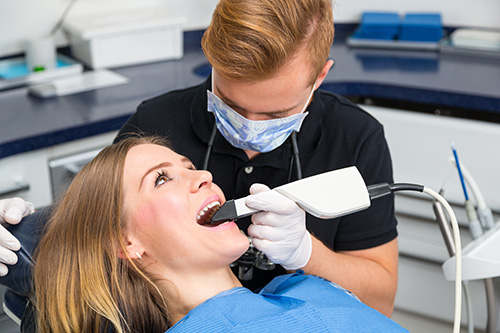
The process begins with a digital scan of the prepared tooth and adjacent teeth using an ergonomically designed intraoral scanner. This replaces traditional putty impressions and creates a detailed 3D model of the mouth in seconds. The clinician then uses specialized CAD software to design a restoration that matches the patient’s bite, contours, and shade requirements.
Once the digital design is approved, the information is sent to a chairside milling unit. Using a high-strength ceramic block, the machine sculpts the restoration to precise specifications. After milling, the restoration can be customized with stains or glazing and then finished for a lifelike surface texture. Because these steps happen in the operatory, patients can leave with a polished, permanent restoration the same day as their preparation.
Final placement follows careful checking of fit and occlusion, then bonding the ceramic to the tooth using proven adhesive protocols. This adhesive connection contributes to a long-lasting, stable restoration that integrates with the remaining tooth structure. For many routine restorative needs, the entire appointment—from preparation to seating—can be completed in a single visit.
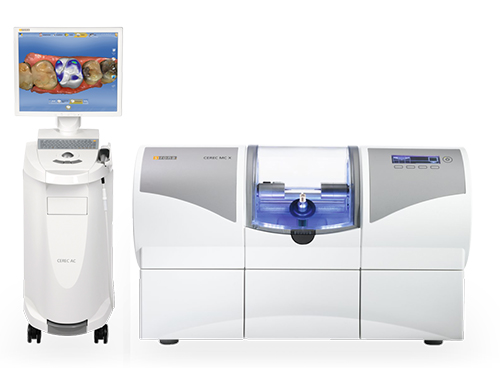
CEREC® restorations are milled from advanced dental ceramics designed to mimic the optical and mechanical properties of natural enamel. These materials offer excellent translucency and the ability to be color-matched to surrounding teeth, so the final restoration blends seamlessly with your smile. The result is an esthetic outcome that is difficult to distinguish from natural dentition.
Beyond appearance, contemporary ceramics provide strong resistance to wear and fracture when properly designed and bonded. The adhesive bonding process helps distribute chewing forces across the tooth and restoration, which supports long-term performance. Ceramic is also biocompatible and resists staining, making it a practical choice for both visible and posterior teeth.
Because each restoration is shaped precisely to your anatomy, CEREC® can preserve more healthy tooth structure compared with some traditional approaches. Conserving natural tooth tissue is an important factor in maintaining long-term oral health and making future restorative options easier if they are ever needed.

CEREC® is well suited for many common restorative needs, including single crowns, inlays, onlays, and small posterior bridges in appropriate cases. Ideal candidates are patients who want to minimize appointments and prefer a streamlined digital workflow without sacrificing material quality. Because the technology accommodates precise occlusal design, it can often be used for both anterior and posterior restorations.
There are clinical scenarios where a traditional laboratory approach may still be preferable—for example, very complex multi-unit restorations, cases requiring special layering techniques, or where non-standard materials are indicated. Additionally, severe bruxism, uncontrolled bite issues, or certain extensive structural losses may require more customized laboratory fabrication or protective measures before restoration.
A comprehensive evaluation helps determine whether CEREC® is the best solution for each patient. Our team considers tooth vitality, occlusion, existing dental work, and long-term treatment goals to recommend an approach that balances esthetics, strength, and preservation of tooth structure.
Once placed, CEREC® restorations require the same foundational care as natural teeth: regular brushing, flossing, and routine dental checkups. Good oral hygiene minimizes the risk of secondary decay at restoration margins and helps maintain healthy surrounding tissues. During recall visits, the clinician will examine the restoration for wear, marginal integrity, and fit.
With attentive care, ceramic restorations can provide many years of reliable service. If a restoration shows signs of wear, chipping, or margin breakdown, early repair or replacement preserves overall oral health and prevents more extensive treatment. Because CEREC® restorations are digitally designed, replacement can often be handled efficiently if needed in the future.
Patients with habits that generate excessive force—such as grinding—may be advised on protective strategies like nightguards to prolong the life of their restorations. Routine professional cleanings and periodic X-rays help identify potential issues early so corrective action can be taken with minimal disruption.
In many treatment plans, CEREC® is one component of a broader approach to restoring oral health and function. Whether repairing a single damaged tooth or coordinating restorative work alongside periodontal or implant therapy, the digital workflow helps ensure precise outcomes that align with the overall plan. Our clinicians use digital records to communicate surgical needs, monitor healing, and coordinate follow-up care.
Because the process is efficient, patients often appreciate the reduced overall time spent in care while still receiving restorations that meet high standards for fit and appearance. The digital models can also be archived for future reference, improving continuity of care if additional treatment becomes necessary down the line.
When appropriate, our team at A Plus Dentistry will explain the role of CEREC® within your individualized treatment plan and answer any clinical questions so you can make an informed decision about your restorative options.
CEREC® combines digital imaging, precise design software, and chairside milling to deliver high-quality ceramic restorations in a single visit. The technology offers clear advantages for many patients—speed, accuracy, and esthetic results—while maintaining the clinical controls necessary for durable, functional outcomes. It’s a versatile option for crowns, inlays, and onlays when used in cases that fit its strengths.
If you’re curious whether CEREC® is right for your situation, our team can evaluate your needs and outline the best restorative path forward. We’ll consider your oral health, cosmetic goals, and any functional concerns to recommend a solution that aligns with long-term success.
Please contact us to learn more or to schedule a consultation. Our staff will be happy to discuss how CEREC® and other restorative options can help you achieve a healthy, confident smile.

CEREC is a chairside digital system that combines intraoral scanning, computer-aided design and milling to create ceramic restorations in a single visit. The process begins with a precise digital scan of the prepared tooth and adjacent teeth, producing a detailed 3D model that replaces traditional putty impressions. Specialized CAD software is used to design the restoration, which is then milled from a high-strength ceramic block while you remain in the operatory.
This end-to-end workflow allows clinicians to refine fit and occlusion on screen and make adjustments before fabrication, reducing the need for temporaries and follow-up fittings. Because the restoration is produced and finished chairside, patients often leave with a polished, permanent restoration the same day. Digital records from the scan can be archived for future reference, improving continuity of care.
CEREC is commonly used for single crowns, inlays, onlays and certain small posterior bridges when clinically appropriate. The system is well suited for restorations that benefit from precise occlusal design and a strong ceramic material that can be shade-matched to surrounding teeth. In many cases CEREC can address both anterior and posterior restorative needs with durable, esthetic results.
There are scenarios where laboratory fabrication or specialized layering techniques are preferred, such as very complex multi-unit cases or when non-standard materials are required. Clinicians evaluate each situation to determine whether a chairside restoration or a lab-made restoration best meets long-term functional and esthetic goals. A comprehensive clinical assessment helps identify the most appropriate approach for each tooth.
The length of a same-day CEREC appointment depends on the complexity of the case but commonly ranges from about one and a half to three hours for a single restoration. Time is spent on tooth preparation, acquiring a digital scan, designing the restoration with CAD software, milling the ceramic, and finishing the piece with staining or glazing as needed. Additional factors such as multiple restorations, anesthesia needs or preparatory treatments can extend the appointment time.
Because the workflow is consolidated into one visit, patients avoid separate appointments for impressions and final seating, which reduces total time invested in care over multiple days. If you have questions about how a same-day visit would fit your schedule, the team at A Plus Dentistry in Cumming, Georgia can outline a typical timeline based on your specific needs. Pre-visit planning and clear communication help ensure an efficient and comfortable experience.
CEREC offers the convenience of completing a restoration in a single appointment, eliminating the need for temporary crowns and multiple visits for final seating. The digital workflow delivers precise three-dimensional data that can improve marginal fit and reduce chairside adjustments after placement. Because restorations are designed and fabricated chairside, clinicians can make immediate refinements to occlusion and contour prior to bonding.
Another advantage is the preservation of tooth structure through conservative preparation and digitally guided design, which can benefit long-term oral health. Digital records also allow easy reproduction of restorations if a future remake is necessary. Overall, CEREC combines efficiency with predictable esthetic and functional outcomes for appropriately selected cases.
Good candidates for CEREC restorations include patients who need single crowns, inlays or onlays and who prefer to minimize the number of appointments required for treatment. The technology is particularly useful when precise occlusal control and shade matching are important and when tooth structure can be conserved with a conservative preparation. It can often be used for both front and back teeth when clinical conditions are suitable.
Clinical limitations include very large restorations, severe structural loss, complex multi-unit bridges or cases requiring specialized laboratory layering techniques. Patients with uncontrolled bruxism or severe occlusal instability may need protective measures such as nightguards or alternative restorative strategies to ensure longevity. A thorough evaluation of tooth vitality, occlusion and existing restorations guides the decision about whether CEREC is the best option.
CEREC restorations are milled from advanced dental ceramics designed to mimic the optical and mechanical properties of natural enamel. These ceramics offer excellent translucency and can be color-matched to adjacent teeth, producing highly esthetic results that blend with the smile. The materials are biocompatible, resist staining and provide strong wear resistance when properly designed and bonded.
Finishing steps such as staining and glazing further refine the surface texture and luster to achieve a lifelike appearance. When adhesively bonded, ceramic restorations integrate with the remaining tooth structure and distribute chewing forces effectively. The combination of material properties and precise digital shaping helps create restorations that both look and perform like natural teeth.
Caring for a CEREC restoration follows the same foundational practices as caring for natural teeth: brush twice daily with a fluoride toothpaste, floss daily and maintain regular professional cleanings and exams. Good oral hygiene reduces the risk of secondary decay at restoration margins and supports healthy surrounding gum tissue. Avoiding habits that place excessive force on restorations, such as chewing ice or opening packaging with teeth, helps prevent chipping or premature wear.
Patients who grind or clench may be advised to wear a protective nightguard to prolong restoration life and protect opposing dentition. During routine recall visits the clinician will check restoration margins, occlusion and surface integrity and recommend repairs if minor issues arise. Early detection and conservative repairs often prevent more extensive treatment down the line.
After the restoration is milled and finished, the clinician will try it in to verify fit, contacts and occlusion and make any needed adjustments. Final placement involves cleaning and preparing the tooth surface, applying adhesive protocols and bonding the ceramic restoration using proven luting agents to achieve a durable connection. The team will recheck bite relationships and polish the margins to ensure a comfortable and functional result.
Sensitivity after bonding is typically mild and short-lived, and the clinician will provide instructions for home care and what to expect in the first days following placement. Because the restoration is permanent when bonded, patients usually leave with a finished, polished tooth that requires no temporary follow-up visit. If you have specific concerns about bonding materials or postoperative care, your clinician will explain the choices and rationale during the appointment.
Minor chips or surface wear can sometimes be smoothed and repaired directly with composite materials, depending on the location and extent of the damage. Repair options focus on restoring function and esthetics while preserving as much of the existing restoration and tooth structure as possible. When damage is extensive or margins are compromised, replacement of the restoration may be the most predictable long-term solution.
One advantage of the digital workflow is that archived scans and designs can streamline the process of reproducing a replacement restoration if needed in the future. Regular examinations and prompt attention to any changes in fit, comfort or appearance allow clinicians to recommend timely interventions. Discussing repair versus replacement options with your dentist helps ensure the chosen path aligns with oral health and functional goals.
CEREC is often one component of broader restorative and rehabilitative plans, and its digital records facilitate coordination with periodontal, implant or orthodontic therapies. Digital models support communication between clinicians, aid in surgical planning and provide a reliable baseline for monitoring healing and future restorative needs. Using CEREC within a coordinated plan helps ensure that esthetic, functional and biological considerations are addressed holistically.
At A Plus Dentistry our team discusses how CEREC may fit into individualized treatment recommendations, considering long-term goals and the condition of surrounding tissues. We review clinical indications, alternative approaches and expected outcomes so patients can make informed choices. Clear explanations and shared decision-making help align restorative solutions with each patient’s oral health priorities.
Quick Links