


At A Plus Dentistry, our approach to restorative care blends modern materials with careful planning so each solution feels natural and lasts. We focus on restoring teeth to full function while preserving as much healthy structure as possible, and ceramic crowns are a key option in that toolkit.
Even though enamel is the strongest substance in the body, teeth are still susceptible to decay, fractures, and wear from habits like grinding. Small cavities can often be repaired with fillings, but when a tooth has lost significant structure or strength, a crown provides comprehensive protection and restores reliable chewing function.
Advances in dental ceramics mean crowns no longer require metal frameworks to perform well. Today's all-ceramic restorations combine durability with lifelike translucency, offering metal-free solutions that meet both functional demands and aesthetic expectations.
Our team prioritizes comfort and clear communication. We tailor each treatment plan to a patient's oral health needs and cosmetic goals so that the final result looks natural and aligns with how the tooth should perform in everyday use.
Deciding between a filling and a crown comes down to how much healthy tooth remains and the forces the tooth must withstand. A crown encases the entire visible portion of the tooth and restores its shape, strength, and bite relationships — making it the preferred option whenever a conservative filling is unlikely to provide a lasting repair.
Common situations that lead clinicians to recommend a crown include extensive decay that compromises structural integrity, large broken or failing restorations, and teeth that have been weakened by root canal therapy. Crowns are also the standard way to restore an implant replacement tooth and to anchor a traditional bridge.
Beyond structural reasons, crowns can be used to correct aesthetic concerns on individual teeth: a crown can improve the color, proportion, and surface texture of a tooth that is discolored, undersized, or misshapen while maintaining natural contours that harmonize with the surrounding teeth.
Finally, crowns can address functional problems such as bite discrepancies. By rebuilding a tooth to its correct height and shape, a crown can help redistribute forces more evenly across the arch and protect remaining teeth from excessive wear.
To rebuild a tooth with extensive decay or structural damage
To replace a large or fractured filling that no longer protects the tooth
To restore the visible portion of a dental implant
To serve as the support (abutment) for a traditional dental bridge
To protect and strengthen a tooth after root canal therapy
To improve the appearance of a tooth that is misshapen, stained, or undersized
To correct bite problems that compromise a tooth’s function

All-ceramic crowns are engineered to interact with light similarly to tooth enamel, which helps them match neighboring teeth in depth and translucency. This optical behavior is a major reason ceramic restorations can look so lifelike, especially on front teeth where appearance is most important.
Contemporary ceramic materials offer an excellent balance of strength and aesthetics. Earlier generations sacrificed strength for beauty or vice versa, but newer formulations deliver durability suitable for molar crowns while still allowing beautiful color and surface characterization.
Because ceramic crowns are metal-free, they avoid the dark margins sometimes visible near the gumline with metal-based restorations. They are also inert and well tolerated by soft tissues, which supports healthier-looking gums around the restored tooth.
Additionally, ceramic surfaces are resistant to staining and discoloration, helping the restoration maintain its appearance over time. With good oral hygiene and routine dental care, a ceramic crown can continue to look natural and perform reliably for many years.
Lifelike translucency and surface texture that blends with adjacent teeth
Minimal metal exposure — no visible gray margins at the gumline
Thinner preparations are sometimes possible, preserving more natural tooth structure
Good tissue compatibility and resistance to staining
Options that balance strength for back teeth with aesthetics for front teeth
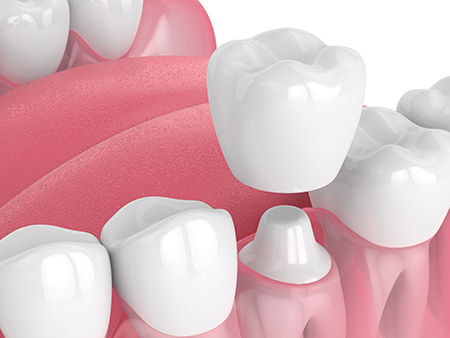
Not all ceramic materials behave the same. Selection depends on where the tooth sits in the mouth, how much force it must resist, and how visible it will be when you smile. A careful evaluation allows your dentist to recommend a material that balances function and aesthetics for your unique situation.
Lithium disilicate is known for its excellent appearance and is often used for anterior crowns where translucency matters. Zirconia offers high strength and is a strong choice for molars and teeth that endure heavy chewing. Within these families there are variations — for example, monolithic zirconia provides strength with a simplified layering profile, while high-translucency zirconia aims for improved esthetics.
Leucite-reinforced and feldspathic porcelains remain valuable in select cosmetic cases where the dentist wishes to craft extremely thin, highly aesthetic restorations. The right choice often involves combining a material’s optical properties with its mechanical characteristics to achieve an outcome that looks authentic and stands up to daily function.
Your clinician will consider factors such as the existing bite, opposing teeth, occlusal (chewing) forces, and the color and shape of neighboring teeth when recommending a ceramic type. This individualized approach helps achieve a natural result that performs well for years.
Lithium disilicate porcelain — excellent esthetics for front teeth
Leucite-reinforced pressable porcelain — thin, aesthetic options for cosmetic cases
Solid or monolithic zirconia — high strength for posterior teeth
High-translucent zirconia — improved appearance while retaining strength

The crown process typically begins with a comprehensive exam and discussion of goals. Digital x-rays and intraoral scans may be used to assess tooth structure, root health, and how the proposed restoration will fit within your bite. This planning stage is important for predictable, long-lasting results.
During preparation, the tooth is shaped to create the correct form for the crown to fit and restore proper function. If an existing restoration or decay needs removal, that will be addressed first. Impressions or digital scans capture the prepared tooth so the lab (or in-office milling unit) can fabricate a precise restoration.
Temporary crowns protect the prepared tooth while the final restoration is being made. At the fitting appointment, the dentist verifies color match, margins, and bite relationships before permanently cementing the crown. Adjustments are made as needed to ensure comfort and correct function.
Aftercare focuses on routine oral hygiene, avoiding excessively hard foods on the restored tooth initially, and keeping regular dental checkups. With proper care and monitoring, a ceramic crown can provide years of reliable service while maintaining an attractive appearance.
At A Plus Dentistry, we emphasize precision, conservative tooth preparation, and high-quality materials to deliver crowns that both look natural and perform well. Our clinicians combine experience with contemporary techniques to preserve tooth structure and optimize function.
We take the time to explain why a crown is recommended and review the material options so patients can make informed decisions. Attention to color, shape, and how the restoration interacts with surrounding teeth is part of delivering results that feel and look integrated within the smile.
Whether restoring a single tooth, completing an implant restoration, or anchoring a bridge, our focus is on predictable outcomes that protect oral health and restore confidence. Meticulous planning and modern ceramics allow us to produce restorations that meet both functional demands and cosmetic expectations.
If you’d like to learn more about ceramic crowns and whether they’re the right solution for your tooth, please contact us for more information.

A ceramic crown is a full-coverage dental restoration made from tooth-colored ceramic materials that encase the visible portion of a prepared tooth. Unlike porcelain-fused-to-metal (PFM) crowns, all-ceramic crowns contain no metal substructure, which eliminates the risk of dark margins at the gumline and improves light transmission for a more natural appearance. Ceramic crowns are available in a range of formulations designed to balance translucency and strength depending on the clinical need.
All-ceramic restorations can be selected to prioritize aesthetics for front teeth or durability for back teeth, and manufacturers now offer ceramics that provide strength approaching that of metal-based options. Because they are inert and well tolerated by soft tissues, ceramic crowns often support healthier-looking gums around restored teeth. The absence of metal also reduces the potential for metal-related sensitivity or aesthetic compromises in the smile.
A ceramic crown is recommended when a tooth has lost significant structure or strength such that a direct filling would not provide a durable repair. Situations that commonly call for a crown include extensive decay that compromises the tooth, large fractured or failing restorations, and teeth weakened by root canal therapy. Crowns are also the restoration of choice for replacing the visible portion of an implant or serving as an abutment for a traditional bridge.
Deciding between a filling and a crown depends on how much healthy tooth remains and the functional demands placed on the tooth during chewing. If a tooth must withstand heavy occlusal forces or if preserving long-term function is a priority, a crown is typically the more predictable solution. Your dentist will evaluate the remaining tooth structure, bite relationships, and aesthetic goals before recommending the appropriate restoration.
Contemporary ceramic materials are engineered to interact with light much like natural enamel, producing lifelike translucency and depth. Advances in material science allow ceramics to display subtle color variations and surface texture, which helps them blend seamlessly with adjacent teeth in both the anterior and posterior regions. These optical properties are a major reason ceramics are favored for highly visible restorations.
In addition to appearance, modern ceramics offer improved mechanical properties that allow them to withstand chewing forces while maintaining aesthetics. Ceramic surfaces are also resistant to staining and are biocompatible with surrounding soft tissues, supporting long-term appearance and healthy gums. When matched and finished properly, a ceramic crown can provide an indistinguishable replacement for a natural tooth.
Common ceramic options include lithium disilicate, leucite-reinforced and feldspathic porcelains, and various formulations of zirconia, each with distinct optical and mechanical properties. Lithium disilicate is often chosen for anterior crowns where translucency and beauty are priorities, while solid or monolithic zirconia is selected for posterior teeth that require superior strength. High-translucency zirconia and layered approaches attempt to combine improved esthetics with robustness.
Choosing the right material involves evaluating the tooth's location, the amount of remaining tooth structure, opposing dentition, and the patient's bite forces. The dentist will also consider color matching needs and long-term functional demands when recommending a ceramic type. An individualized selection helps ensure the restoration both looks natural and performs reliably in daily use.
The process begins with a comprehensive exam that may include digital radiographs and intraoral scans to assess tooth structure, root health, and occlusion. During preparation, the tooth is shaped to create the appropriate form for the crown, and any decay or old restorations are removed to ensure a healthy foundation. Digital impressions or conventional impressions capture the prepared tooth so a lab or in-office milling unit can fabricate a precise restoration.
Patients typically receive a temporary crown to protect the tooth while the permanent crown is fabricated, and at the fitting appointment the dentist verifies color match, margins, and bite before cementation. Minor adjustments are made as needed to optimize comfort and function, and the final crown is permanently cemented once fit is confirmed. Follow-up and routine dental visits help monitor the restoration and surrounding tissues over time.
Caring for a ceramic crown closely mirrors good oral hygiene practices for natural teeth: brush twice daily with a fluoride toothpaste and clean between teeth once a day with floss or an interdental cleaner. Maintaining regular dental checkups and professional cleanings allows your dentist to monitor the crown, detect early wear or margin issues, and address any surrounding gum concerns. Avoiding excessively hard or brittle foods immediately after placement helps the restoration settle.
Patients who grind or clench their teeth should discuss protective options with their dentist, such as a night guard, because excessive forces can increase the risk of chipping or fracture. Prompt attention to any new sensitivity, looseness, or discomfort helps prevent complications from becoming more serious. With consistent home care and routine professional monitoring, ceramic crowns can remain functional and esthetic for many years.
Yes, ceramic crowns are commonly used to restore the visible portion of dental implants and to serve as pontics or abutments in fixed bridges. When restoring an implant, a ceramic crown is attached to the implant abutment to recreate the natural tooth form while providing strong, aesthetic replacement. For traditional bridges, crowns on adjacent teeth can support the pontic and restore continuity of the arch.
The material choice for implant or bridge restorations takes into account the implant connection, opposing dentition, and esthetic demands. Proper planning ensures that the crown integrates with the implant platform or bridge framework and that occlusion is balanced to reduce undue stress. Your dentist will coordinate selection and fabrication to achieve a predictable, long-lasting result.
Ceramic crowns can improve the appearance of teeth that are discolored, misshapen, undersized, or otherwise out of proportion with the surrounding dentition. Because ceramics can be layered and characterized to match color gradients and surface texture, they are effective at creating a natural-looking appearance that harmonizes with adjacent teeth. Crowns also allow clinicians to correct minor positional or contour issues while restoring proper tooth anatomy.
When used in the smile zone, careful shade selection, facet shaping, and translucency control are critical to achieving seamless integration. The dentist will discuss aesthetic goals and present material options that best address both appearance and function. Combined with comprehensive planning, ceramic crowns can deliver durable cosmetic improvements that enhance smile confidence.
Advantages of all-ceramic crowns include superior aesthetics, the absence of metal margins, good tissue compatibility, and resistance to staining, all of which support a natural and long-lasting appearance. Contemporary ceramics also offer a range of strengths that make them suitable for many clinical situations, from anterior restorations to posterior crowns crafted from high-strength zirconia. Their biocompatibility and optical properties make them a popular choice for patients concerned with both function and smile appearance.
Limitations include the potential for fracture under extreme or unbalanced occlusal forces, and the need to select an appropriately strong material for teeth that experience heavy chewing loads. In some cases a more robust material or design consideration is required to manage bite forces, especially for patients with parafunctional habits. A careful clinical assessment helps mitigate risks by guiding material choice, tooth preparation, and occlusal management.
At A Plus Dentistry, clinicians prioritize comprehensive evaluation, conservative tooth preparation, and selection of high-quality ceramic materials to achieve predictable, long-lasting results. The treatment workflow typically includes digital imaging and intraoral scanning to plan the restoration precisely, careful color and shape communication with the laboratory or milling unit, and meticulous attention to margins and occlusion during placement. This systematic approach helps the restoration integrate with the patient's bite and surrounding dentition.
Clinicians also discuss maintenance, protective measures, and follow-up care with patients so the crown continues to function and look its best over time. When necessary, adjunctive options such as night guards or occlusal adjustments are used to protect the restoration from excessive forces. Patients in Cumming, Georgia can contact the practice for a consultation to determine whether a ceramic crown is the appropriate solution for their needs.
Quick Links